California Wine Crisis 2025: Oversupply, Abandoned Vineyards and a Market on the Brink
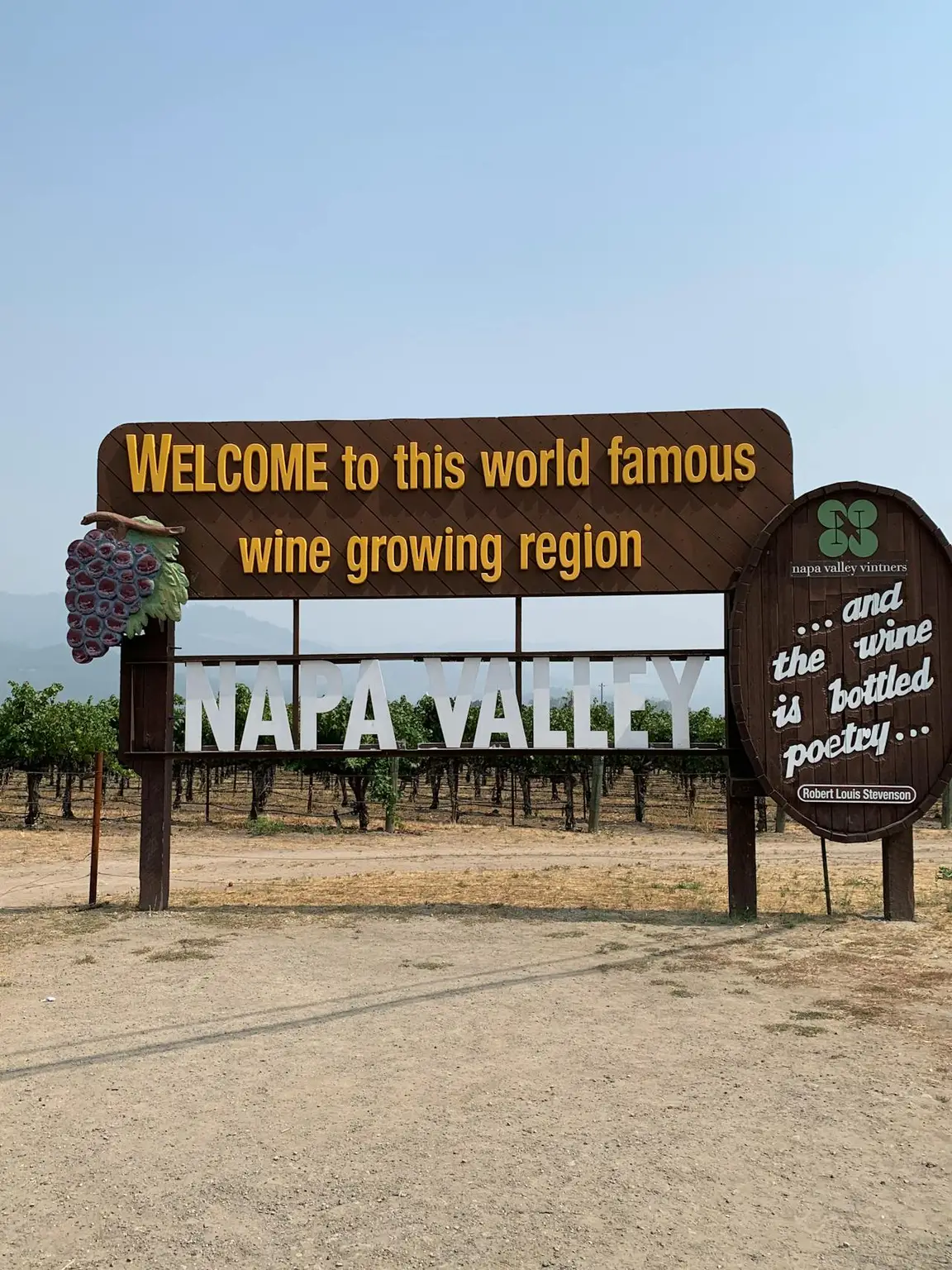
The California wine industry is collapsing under the weight of its own excess. The engine of American winemaking, long a symbol of innovation and premium terroir, is going through one of the darkest chapters in its history.
Vines are being ripped out. Tens of thousands of tons of grapes are left to rot. Growers are walking away from vineyards their families tended for generations. Consumption is at a 90-year low and younger drinkers are moving to other categories. The 2025 harvest was supposed to be a fresh start; instead it arrived at the worst possible moment.
A market flooded with grapes that nobody wants
The numbers reported by The San Francisco Chronicle are brutal:
- 100,000+ tons of grapes left unharvested in 2024
- Between 35,000 and 40,000 acres of vines ripped out last year
- Another 35,000 to 40,000 acres expected to be removed in 2025
- Tens of thousands of acres now abandoned, with growers simply walking away
- Big buyers scaling back and contracts collapsing
In Lodi alone, 15% to 20% of vineyard acreage has disappeared. In Monterey County, growers are shutting down businesses they built over 50 years.
Many farmers can no longer secure loans, because only a fraction of their grapes are under contract. Without contracts the banks walk away, and so do the growers.
The collapse spreads to Napa and Sonoma
Even California’s crown jewels cannot escape it.
Sonoma County
Growers project that 10% of total acreage will be pulled out, 2,000 acres will not be replanted, and 30% of grapes are going into the season without a contract. Grape prices are expected to fall 7%.
Napa Valley
Diseased and old vines are coming out, but they are not being replanted, which is the real warning sign for long-term production. The result is a region dotted with fallow land and piles of dead vines.
Young drinkers are saying no to wine
The generational data reported by Vinetur points in one direction. Younger consumers increasingly prefer seltzers, craft beers and non-alcoholic drinks. Many find wine too expensive, too intimidating, or incompatible with a lifestyle that gets documented on social media. Health-conscious habits and digital reputation push in the same direction.
Full recovery of the market is expected no earlier than 2027 or 2028.
The industry is trying to adapt with CBD-infused wines, non-alcoholic alternatives, direct-to-consumer events and less formal storytelling. None of it is keeping pace with the speed of the decline.
Perfect weather, disastrous timing
The Wall Street Journal reports the most ironic twist of all:
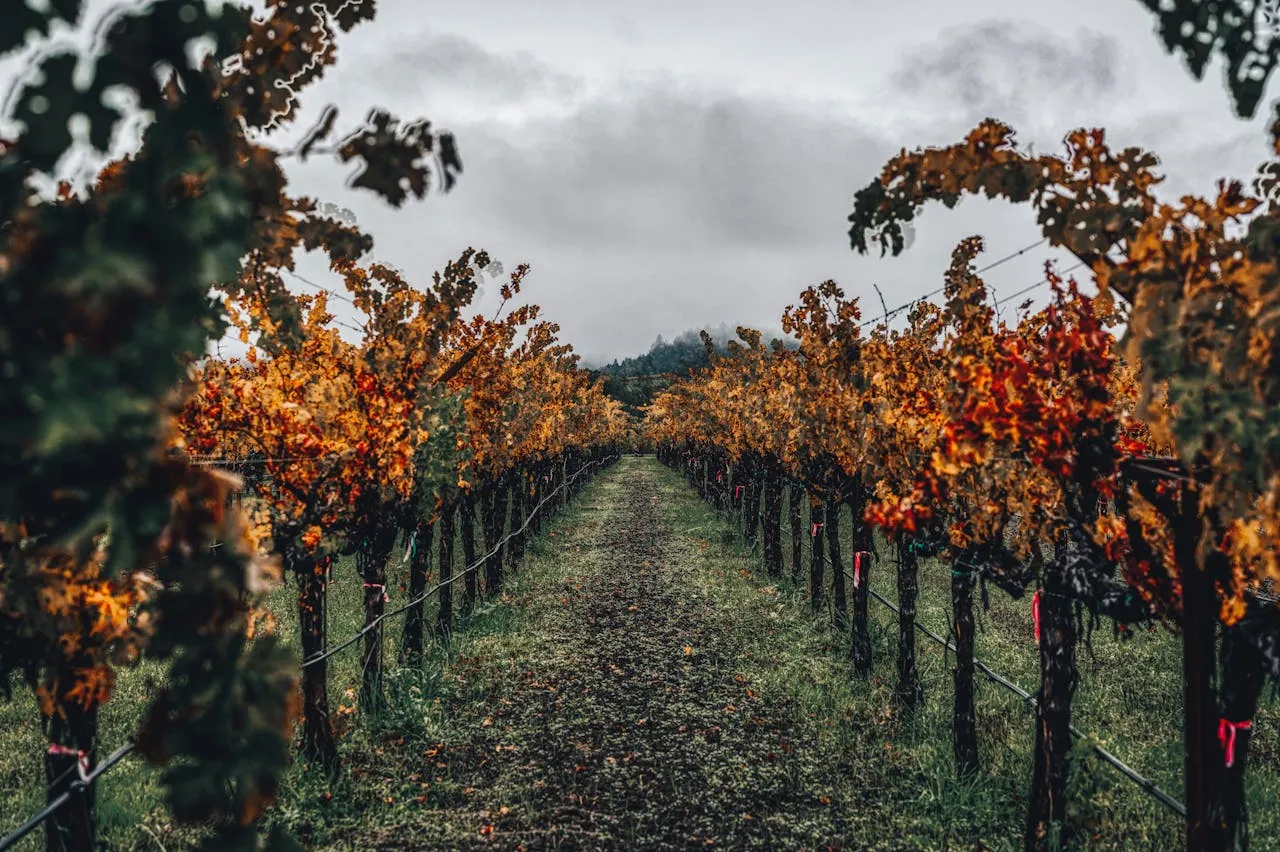
2025 brought nearly perfect growing conditions: cool, stable temperatures, no frost, no heat waves.
That means huge volumes of high-quality grapes arriving in a market that cannot absorb them. Sonoma County Winegrowers estimate that 30% of the grapes grown in 2025 will not be sold.
Large producers like Jackson Family Wines are cutting contracts and replanting entire vineyards to shift toward more marketable varieties such as Sauvignon Blanc. Smaller growers are improvising: selling grapes on Facebook Marketplace, making cheap bulk wine with no guaranteed buyer, selling land to developers, and ripping out vines that were meant to last 30 years.
Tariffs, Canada and geopolitics
External shocks made a bad year worse. Canada’s retaliatory tariffs sent exports down 96% in Q2, and the U.S. wine trade surplus with Canada flipped to a deficit for the first time ever. Even after Canada lifted the tariff, several provinces kept American wine off the shelves. Meanwhile bulk wine imports into the U.S. rose 17% in 2025, tariffs notwithstanding.
The expectation that tariffs on European wine would rescue domestic growers has proven wrong. The price gap is simply too large.
Vineyards are being abandoned outright
Nothing comparable has happened in the last 20 years. Growers are walking away from contracts, from vineyards, and from entire businesses.
Valley Farm Management in Monterey County, a 50-year family operation with 3,200 acres under management, announced that 2025 will be its final harvest.
What is really threatening California wine
Across all three sources, the same six drivers come up:
| Driver | What is happening |
|---|---|
| Historic oversupply | Years of expanding acreage collided with declining demand |
| A generational shift | Younger drinkers want cheaper, easier, lower-alcohol options |
| Trade breakdowns | Canada’s collapse in U.S. imports removed a key export market overnight |
| Harvests that are too good | Perfect weather delivered more fruit into an already saturated market |
| Corporate pullbacks | Big players are cutting contracts, switching varietals, exiting categories |
| Falling alcohol consumption | Gallup puts U.S. adults who drink at 54%, the lowest in nearly 90 years |
What happens next
Industry leaders agree on the remedy: produce less.
Jeff Bitter of Allied Grape Growers puts a number on it:
“We need a harvest of 2.5 million tons or less to rebalance the market.”
The 2025 harvest is shaping up to be far bigger than that. Without a drastic correction, more vineyards get pulled out, more businesses close, grape prices fall further, and young consumers keep drifting away from the category. California risks losing a significant part of its wine identity if that correction does not arrive soon.
Sources
- The San Francisco Chronicle - California’s wine harvest is shaping up to be even more brutal than last year by Jess Lander
- Vinetur - California wine industry faces oversupply and shifting tastes as younger consumers turn to alternatives by Vinetur
- The Wall Street Journal - The list of problems is long in California, the cradle of American wine by Laura Cooper
Topics
- california wine
- wine crisis
- wine market 2025
- oversupply
- grape harvest