How to Reseal Wine After Opening: Techniques and Tips
Introduction
Opening a bottle of wine is an extraordinary experience, but once opened, time becomes its fiercest enemy. The freshness and complexity of this precious liquid can be preserved through carefully chosen resealing techniques. In this article, we explore in depth the critical role of oxygen exposure and the best strategies to extend the life of your wine — covering everything from vacuum extraction techniques to hermetic stoppers and the revolutionary Coravin system.
Oxygen contact: a delicate balance
Oxygen is a crucial element in the winemaking and aging process, helping to develop aromas and stabilise colour. During winemaking, controlled oxygen exposure may be desirable to support maturation and fermentation. Once bottled, however, wine is typically subject to minimal oxygen contact, allowing the cork to remain moist and provide a perfect seal. Once we break the seal of a bottle, oxygen plays a decisive role. The right exposure to air is essential to let the wine “breathe” and release its aromas. Excessive exposure, however, can trigger unwanted oxidative processes that compromise the wine’s freshness and drinkability. To manage this delicate balance, several approaches can be adopted. Tools that minimise the wine’s contact with oxygen — such as vacuum systems, hermetic stoppers or devices like Coravin — offer the opportunity to enjoy wine without accelerating oxidation. The key is finding the right amount of oxygen that preserves the wine’s character without compromising quality.
Vacuum extraction techniques
One of the most common techniques for preserving wine is extracting oxygen from the bottle. Using dedicated tools such as vacuum pumps creates a low-pressure environment inside the bottle, slowing down oxidation. It is important to apply these techniques immediately after pouring, before oxygen has had significant time to interact with the wine.
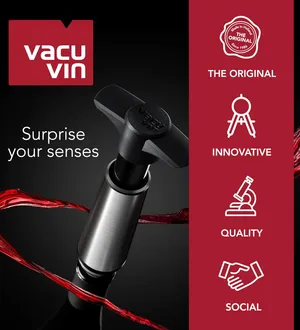
Vacuvin Wine Saver Pump
Original system to extract oxygen from the bottle and seal it with a hermetic stopper.

Hermetic stoppers
Hermetic stoppers are a practical and widely used option for sealing an opened bottle. Made from various materials such as silicone or stainless steel, these stoppers create an effective barrier against oxygen. They are available in different sizes to fit a wide range of bottles. Some models even feature an integrated date indicator to track how long the bottle has been open.
Coravin: cutting-edge technology
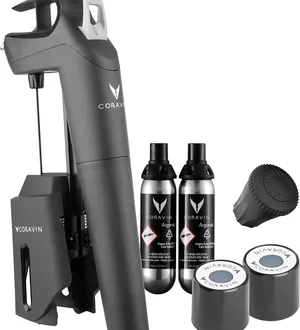
Coravin is a revolutionary system that allows you to pour wine without removing the cork. A thin needle pierces the cork, allowing wine to flow without oxygen entering the rest of the bottle. This innovation is particularly useful for fine and age-worthy wines, allowing you to enjoy a portion without compromising the rest of the bottle. It is an ideal choice for those who wish to explore different labels without needing to consume the entire bottle in one sitting.
Advantages of Coravin
- Minimal oxygen exposure: Coravin allows you to pour wine without opening the bottle, keeping the remaining contents shielded from oxygen. This can extend the life of a bottle for weeks or even months.
- No commitment: With Coravin, you can taste fine wines without committing to the entire bottle — particularly advantageous for rare or premium labels.
Disadvantages of Coravin
- Initial cost: Purchasing a Coravin device involves a significant upfront investment. For regular wine enthusiasts, however, this can be considered a long-term investment.
- Capsule cost: Coravin uses argon gas capsules to protect wine from oxygen. Periodic replacements represent an ongoing cost.
- Learning curve: Using Coravin correctly requires some practice. The right angle, positioning and pressure are crucial to avoid wine leakage or cork damage.
Ultimately, Coravin is an advanced solution offering extraordinary flexibility for wine lovers, but it should be evaluated carefully based on your own needs and budget.
Techniques for sparkling wines
Preserving opened sparkling wines presents unique challenges due to the characteristic effervescence. However, Coravin technology has evolved to meet the needs of sparkling wine enthusiasts. Coravin devices designed specifically for sparkling wines now exist, allowing you to pour a portion of champagne or prosecco without compromising the overall quality of the bottle. The thin needle penetrates the cork and metal capsule, allowing you to taste without releasing the carbon dioxide pressure too quickly. This innovation is a genuine breakthrough for lovers of champagne and high-quality sparkling wines, allowing them to enjoy an opened bottle over several days or even weeks while preserving the vivacity of the bubbles.
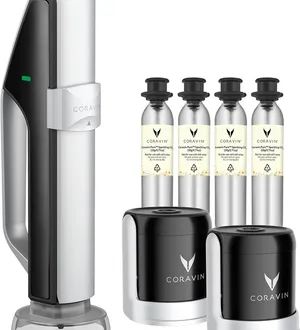
Coravin Sparkling
Original system to serve your finest sparkling wine or champagne without opening it.
Techniques for every bottle and wine style
Every bottle and wine style may require a slightly different approach. For robust red wines, for example, Coravin can be particularly useful to avoid oxidation during long periods of storage. For light whites, hermetic stoppers can be more than sufficient to preserve freshness. Experimenting with different techniques is the key to discovering which work best for you and ensuring you enjoy every last drop of that bottled treasure.
Conclusions
Resealing wine after opening is an art that requires care and technique. From managing oxygen contact to advanced solutions like Coravin, every wine lover can find the right strategy to preserve the flavours and aromas of their favourite bottles. Experiment with different techniques to discover which works best for you — and make sure you enjoy every last drop of your bottled treasure. The key is to keep alive the essence of every sip, preserving the intrinsic magic of wine even after breaking the bottle’s seal.
Is Barolo or Brunello Better? Differences between Nebbiolo and Sangiovese
"Nebbiolo and Sangiovese: Two Iconic Grape Varieties..."
Wine tasting guide: unraveling the secrets of a good glass
"Explore the secrets of wine tasting and learn to recognize aromas, flavors, and unique characteristics."
The Chef de Cave: the master behind champagne's finest bubbles
The role of the Chef de Cave in champagne: from assembling cuvées to selecting vintages, the craftsperson who gives life to the world's most prized bubbles.