A challenging year for Champagne: from 2024 to the record-low 2026 yield
2024 proved a particularly challenging year for Champagne: difficult weather, an unstable economic backdrop, reduced yields and sharply falling shipments. With twelve more months of hindsight, though, 2024 was not an isolated bad vintage — it was the point at which a systematic reduction in production began, and that reduction is still running.
This article sets out what happened in 2024 and how that decision extended all the way to the 2026 harvest, the lowest since the pandemic.
2024: adverse weather and reduced yields
After a hot, dry 2023, Champagne faced the opposite conditions in 2024. The season was unusually wet, complicating work in the vineyard and increasing fungal disease pressure, downy mildew above all. Maxime Toubart, president of the growers’ association, summed up the season with the motto “maximum vigilance and zero tolerance”.
The authorised yield for the 2024 harvest was set at 10,000 kg/ha, down from 11,400 kg/ha in 2023.
The cut was not only a response to the weather, however. In the first half of 2024, Champagne shipments had fallen 15.2% against the same period the previous year, taking volumes back to 2019 levels.
Why sales had collapsed
The decline had more than one cause, and almost none of them concerned the product.
The heaviest factor was an overstock effect: in the preceding two years, fear of shortages and anticipation of inflation had pushed distributors and importers to build up inventory. Once that inventory began to clear, orders stopped. Added to this were geopolitical uncertainty and inflation that squeezed discretionary spending in exactly the bracket Champagne occupies.
What happened next: four years of cuts
The interesting part is what 2024 set in motion. The reduction in yields was not a one-vintage adjustment but the start of a supply-restraint policy repeated every year since.
| Year | Marketable yield (kg/ha) | Estimated bottles |
|---|---|---|
| 2022 | 12,000 | — |
| 2023 | 11,400 | ~290m |
| 2024 | 10,000 | ~271m |
| 2025 | 9,000 | ~255m |
| 2026 | 8,800 | ~250m |
2026 marks the fourth consecutive year of reduction and is the lowest yield since 2020, when the Covid emergency brought the limit down to 8,000 kg/ha.
The 2026 harvest: low quantity, exceptional quality
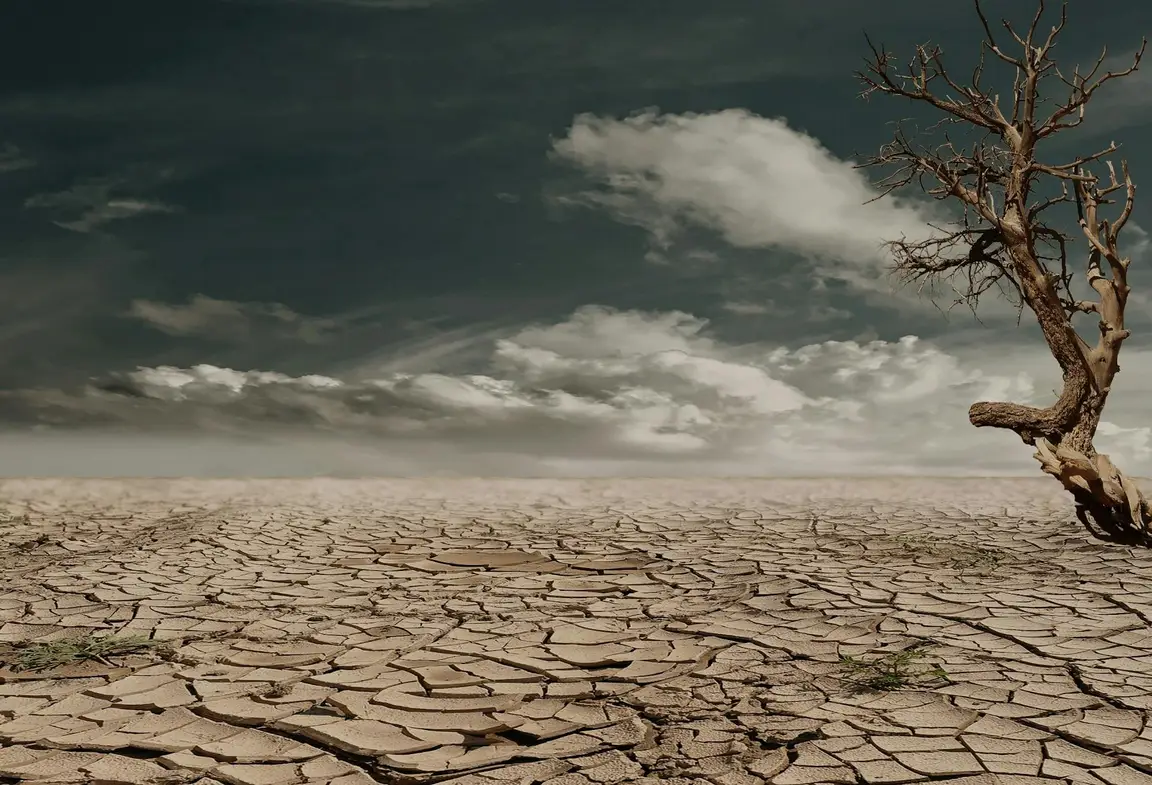
The 2026 season was marked by spring frosts, extreme heat in June and finally drought. Despite that — and partly because of it — the Comité Champagne described quality as exceptional, with a record for grape ripeness: an anomaly in a region where chaptalisation has historically been the rule rather than the exception.
It is the recurring paradox of difficult vintages: less fruit, but more concentrated.
Shipments: the picture has stabilised
While yields keep falling, sales have stopped collapsing.
- 2024: 271 million bottles shipped
- 2025: 266 million, slightly down
- First half of 2026: 107.1 million, up 1.2% on the same period in 2025
That resilience is driven mainly by exports. A less reassuring signal comes from the top end, however: prestige cuvée shipments fell 17% in 2025, down to 7 million bottles. That is the tier that carries the margins, and it is retreating faster than the rest.
What it means for prices
Four consecutive years of reduced yields combined with stable shipments produces a predictable outcome: fewer bottles available for demand that is no longer falling.
The two scenarios floated back in 2024 have largely played out. Prices have risen, including on entry-level labels, and producers have shifted emphasis onto high-end bottlings and limited releases — a strategy that the 17% drop in prestige cuvées nonetheless calls into question.
We analysed the effect on price lists, and what buyers can do about it, in our guide to Champagne prices.
How the sector responded
To deal with the difficulties of 2024, the Comité Champagne launched the “Ensemble pour les vendanges en Champagne” plan, with training sessions and tools for growers, aimed at protecting harvest quality despite the conditions.
David Chatillon, president of the Maisons de Champagne, pointed to the creation of a service providers’ union and a best-practice framework as the most positive signals for the sector. Involvement from local institutions, led by the prefect of the Grand Est region, reinforced the plan.
On the technical side, quality management rests on the work of the chef de cave, who in irregular vintages like these has the most delicate task of all: building a blend consistent with the house style out of uneven raw material.
Conclusion
At the time, 2024 was read as an unlucky vintage. Seen from 2026, it was the first year of a strategy: cut supply to defend value, in a market where volumes are not coming back.
It has worked, in part. Shipments have stabilised and prices have held. But the 17% fall in prestige cuvées signals that defending value through scarcity has a limit — and that the underlying problem, demand, is not solved by cutting yields.
Frequently asked questions (FAQ)
What was the 2024 Champagne harvest yield?
The authorised marketable yield for 2024 was 10,000 kg/ha, down from 11,400 kg/ha in 2023.
What is the Champagne yield for 2026?
8,800 kg/ha, equivalent to roughly 250 million bottles. It is the fourth consecutive annual reduction and the lowest level since 2020.
Why does Champagne reduce yields every year?
To hold the balance between supply and demand during a period of uncertain consumption. After shipments collapsed in 2024, largely because accumulated inventory was being cleared, the region chose to restrain production in order to defend prices.
How many bottles of Champagne are sold?
271 million bottles were shipped in 2024 and 266 million in 2025. In the first half of 2026 shipments reached 107.1 million, up 1.2% year on year.
Is the 2026 vintage good quality?
Yes. Despite frosts, extreme June heat and drought, the Comité Champagne called the quality of the harvested grapes exceptional, with a ripeness record for the region.