Dealcoholized Wines Explained: What They Are, How They're Made, and Why the Market Is Booming
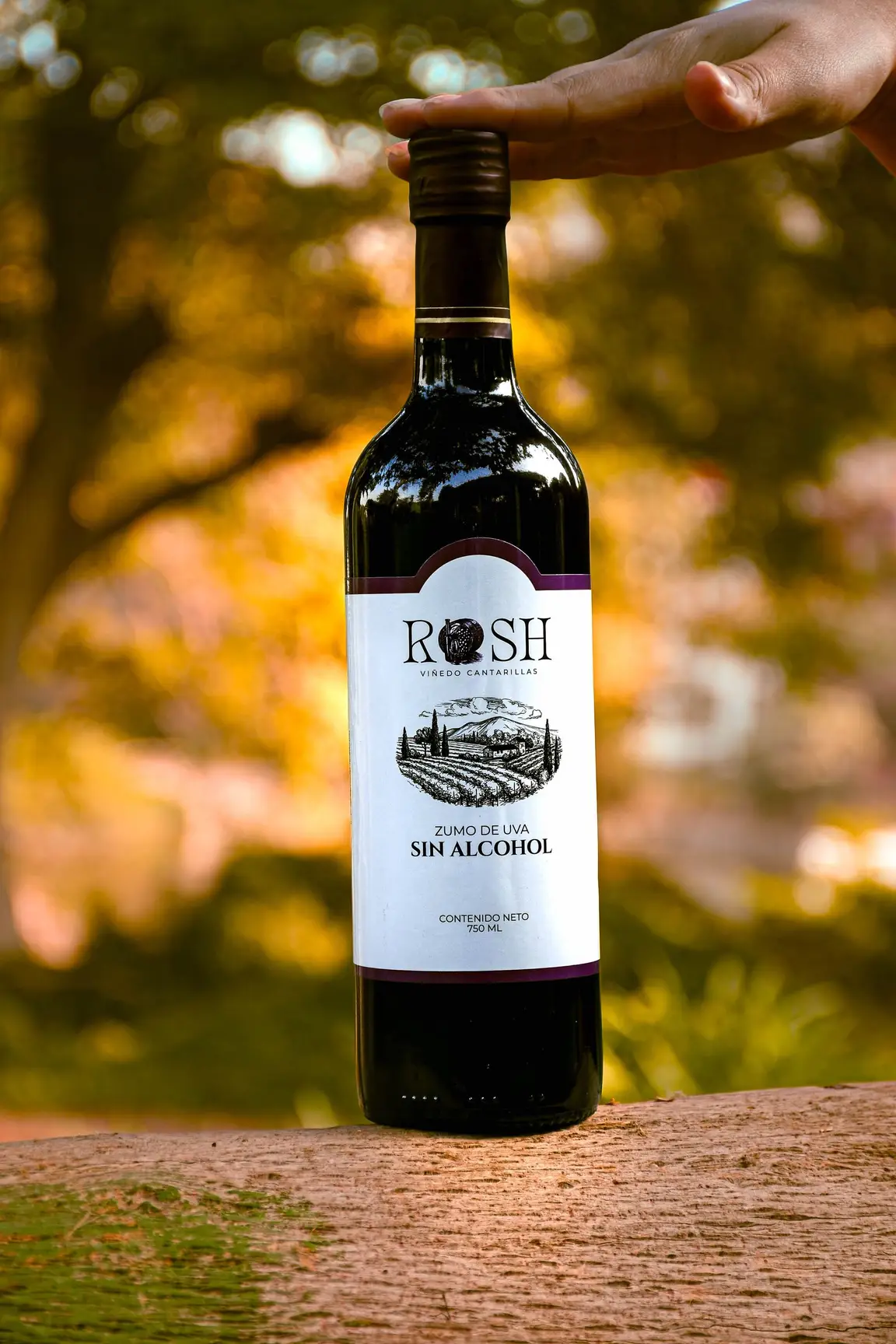
A few years ago dealcoholized wine was a curiosity on the margins of the trade. Today it is one of the fastest-growing segments in the global wine industry, pushed by changing drinking habits, a broader interest in wellness, and regulation that has finally caught up with the category.
NoLo products (No Alcohol and Low Alcohol) now attract serious investment from producers who ignored them five years ago. So what exactly is a dealcoholized wine, how is it made, and is it really wine?
Key Takeaways
- EU regulations define dealcoholized wine as a fermented product with a maximum of 0.5% ABV, not grape juice and not a flavored drink
- The global NoLo market is worth approximately $2.4 billion and is forecast to reach $3.3 billion by 2028, growing at 8% per year (Italian Wine Union Observatory)
- Italy legalized domestic dealcoholized wine production with the MEF-MASAF interministerial decree, ending the practice of sending wine abroad for processing
What Is Dealcoholized Wine?
Dealcoholized wine starts life as a traditional wine, produced through the standard fermentation of grape must. Only once fermentation is complete is the alcohol partially or almost entirely removed through specialized technologies.
European regulation splits the category in two. Dealcoholized wine contains up to 0.5% ABV (Alcohol by Volume). Partially dealcoholized wine sits above 0.5% ABV but stays below the minimum alcohol content required for its wine category.
Neither is grape juice or a flavored beverage. Both originate from real wine that has undergone a dealcoholization process.
How Is Dealcoholized Wine Produced?
European legislation authorizes three main techniques, which may be used individually or in combination.
Reverse Osmosis
The most common method. Highly selective membranes under high pressure separate water, alcohol, and certain aroma compounds; the alcohol is then removed through distillation, and the water fraction is reintroduced into the original wine.
It is the gentlest of the three processes and preserves much of the wine’s original character. Some aromatic compounds are still lost along the way, so the final blend usually needs adjusting to rebalance flavor and mouthfeel.
Vacuum Distillation
Under vacuum conditions, alcohol evaporates well below its standard boiling point of 78°C (172°F). That lets producers strip ethanol at temperatures as low as 20-30°C (68-86°F) and avoid cooking the wine.
Aroma retention is better than with traditional distillation, but the equipment demands significant investment and the sensory profile still shifts.
Traditional Distillation
The oldest approach on the list. Wine passes through distillation columns that separate the alcohol from the liquid. The technology is proven and highly effective at removing alcohol, but it costs the wine the most: volatile aromatic compounds are lost, and the impact on flavor and complexity is the most noticeable of the three.
Does Dealcoholized Wine Taste Like Traditional Wine?
Not entirely, at least not yet.
Alcohol does real work in a glass of wine. It carries aromatic compounds to the nose, builds body and mouthfeel, adds balance and smoothness, and acts as a natural preservative. Remove it and the wine tends to show reduced aromatic intensity, a lighter structure, and higher perceived acidity.
Producers correct for this with approved ingredients such as concentrated grape must, glycerin, and mannoproteins. The technology is also improving quickly, and most of the industry expects the quality gap to keep narrowing over the coming years.
Which Grape Varieties Work Best?
Aromatic white wines and sparkling wines survive dealcoholization best. Sauvignon Blanc, Riesling, and Chardonnay are the varieties producers reach for most often, because their naturally expressive aromatic profiles keep the wine legible once the alcohol is gone.
Who Drinks Dealcoholized Wine?
The audience reaches far beyond people who never drink. It includes new drivers and young adults, pregnant women, athletes and fitness enthusiasts, people following low-calorie diets, health-conscious consumers, and anyone whose religious beliefs restrict alcohol.
Alcohol-free mixology is the other growth channel. Dealcoholized wine gives bartenders a wine-like base for sophisticated zero-proof cocktails, which fruit juice cannot provide.
Italy Opens the Door to Domestic Production
The most consequential recent development is regulatory. A new interministerial decree gives Italy a clear legal framework covering taxation and excise duties, production requirements, licensing and authorizations, and rules for storage and transportation.
Until recently, many Italian wineries had to send their wines abroad, primarily to Germany and Spain, for dealcoholization. Processing at home removes that cost and lets Italian producers compete properly in a category that is expanding fast.
A Market Growing Faster Than Traditional Wine
According to data from the Italian Wine Union Observatory (Unione Italiana Vini), the global NoLo market is worth approximately $2.4 billion today, is expected to reach $3.3 billion by 2028, and is forecast to grow at an average annual rate of 8%.
Growth in key international markets has been steeper still:
| Market | Alcohol-Free Wine Growth |
|---|---|
| Germany | +46% |
| United Kingdom | +20% |
| United States | +18% |
Numbers at that scale point to a structural shift in consumer behavior rather than a short-lived trend.
Will Dealcoholized Wine Replace Traditional Wine?
Most experts say no. The realistic outcome is a complementary category that creates new consumption occasions and reaches consumers who would otherwise avoid wine entirely.
Producers make the same point. Alcohol-free wine is not designed to replace the traditional bottle; it exists for the person who wants to stay in the social and gastronomic moment without consuming alcohol.
What NoLo Means for the Industry
Younger generations drink less alcohol, prioritize wellness, and want more flexibility in their lifestyle choices. Against that backdrop, dealcoholized wines look less like a threat to winemaking tradition and more like an opening for innovation and growth.
The challenge for producers is keeping authenticity, terroir expression, and sensory enjoyment intact while the category matures. As production techniques improve and quality rises, dealcoholized wines are set to become a permanent part of the global wine landscape.
Frequently Asked Questions
What is the difference between dealcoholized wine and grape juice? Dealcoholized wine always starts with alcoholic fermentation of grape must, unlike grape juice which is never fermented. This means it retains the esters, acids, and polyphenols produced during fermentation that define wine’s sensory profile. Grape juice is simply unfermented must and has an entirely different flavor profile.
Do dealcoholized wines have fewer calories than regular wine? Yes. Alcohol contains 7 kcal per gram versus 4 kcal for carbohydrates. A standard glass of wine at 13% ABV contains roughly 120-130 kcal; the dealcoholized equivalent typically contains 50-80 kcal per glass, depending on residual sugar. This caloric reduction is one of the main reasons health-conscious consumers choose NoLo wines.
Is it legal to produce dealcoholized wine in Italy? Yes, since 2024. Italy’s MEF-MASAF interministerial decree established the legal framework covering production requirements, excise duties, and commercial rules for dealcoholized wines. Before this legislation, Italian wineries had to ship their wine to Germany or Spain for dealcoholization, adding significant cost and logistical complexity.
What is the difference between “dealcoholized wine” and “non-alcoholic wine”? “Non-alcoholic” is a broad consumer term covering any drink without alcohol, regardless of origin. “Dealcoholized wine” is a legally defined category under EU regulations: it must start as real wine produced through fermentation, then undergo a certified dealcoholization process bringing alcohol content to a maximum of 0.5% ABV. The distinction matters for labeling, taxation, and quality standards.
Sources
- Vini dealcolati, facciamo chiarezza. Cosa sono e come ottenerli - Gianluca Atzeni, 18 aprile 2024
- Vino dealcolato: cos’è? Spiegazione facile per tutti - Sara Milletti, La Cucina Italiana, 7 marzo 2025
- Approvato il decreto per la produzione e tassazione dei vini dealcolati in Italia - Giorgio Dell’Orefice, Il Sole 24 Ore
Topics
- dealcoholized wine
- alcohol-free wine
- NoLo wines
- non-alcoholic wine
- wine guide
- wine trends