Brunello di Montalcino: The excellence of Sangiovese in a bottle
Introduction
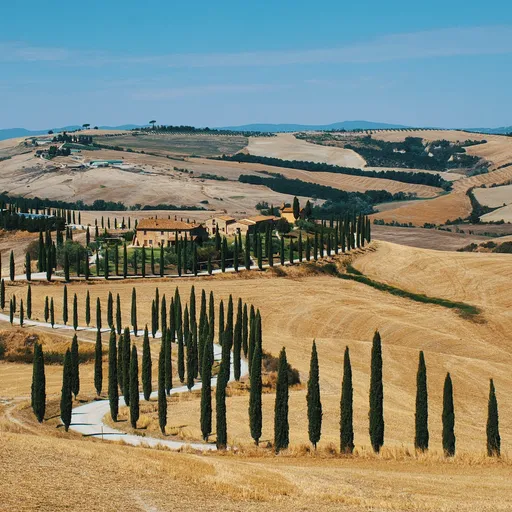
In the magnificent Tuscan countryside, among rolling hills and breathtaking landscapes, you’ll find a wine that embodies the elegance and essence of the region: Brunello di Montalcino. This acclaimed red wine has earned international recognition for its exceptional quality and remarkable capacity to age gracefully. In this article we explore the meaning of “Brunello di Montalcino”, its history, production methods, aging curve and the food pairings that make it one of Italy’s great enological treasures.
The meaning of “Brunello di Montalcino”
There are several stories — or rather, legends — behind the name Brunello.
The first traces back to the Tuscan dialect, where “Brunello” translates as “brown” or “dark”, referring to the intense ruby colour of this red wine. “Montalcino” is the name of the picturesque medieval village in the province of Siena, Tuscany, where the wine was first produced. The term “Brunello di Montalcino” can therefore be literally translated as “dark red wine from Montalcino”.
A second story links the name “Brunello” to the grape variety used to make the wine: Sangiovese Grosso. In the past, Sangiovese vines showed greater variability, and different grape varieties could be found in the same vineyard. Among them stood a small-cluster clone with dense, dark-skinned berries, called “Brunello” or “Brunellino” (little dark one). This vine was selected by Ferruccio Biondi-Santi to produce the exceptional red wine we know today as Brunello di Montalcino. The choice of name reflects the importance attributed to the grape itself — the beating heart of Brunello — and its deep bond with the territory.
History and origins
The history of Brunello di Montalcino dates back to the 19th century, when a local oenologist named Clemente Santi began working on the production of a quality red wine in the Montalcino area. His nephew Ferruccio Biondi-Santi was the first to lay the foundations for Brunello di Montalcino, vinifying Sangiovese Grosso, a native variety of the zone.
The first official vintage was in 1888, when Ferruccio Biondi-Santi bottled and aged his wine for an extended period in oak barrels. This long-aging method proved revolutionary, resulting in an evolution of style and quality that distinguished it from other wines in the region.
Official recognition came much later. Brunello di Montalcino received DOC status in 1966 and was among the very first Italian wines elevated to DOCG — the country’s highest classification — in 1980. In the decades since, the number of producers has grown from a handful of estates to more than two hundred, and Montalcino has become one of the most closely studied wine territories in Italy.
The terroir of Montalcino
Understanding Brunello means understanding why this particular hill produces it. Montalcino sits roughly 40 kilometres south of Siena, and the growing area is defined by the boundaries of the single municipality — an unusually compact denomination.
Three features shape the wine:
Altitude and exposure. Vineyards range from around 120 to 650 metres above sea level. The higher, cooler north-facing sites give more aromatic, slower-ripening fruit with brighter acidity; the warmer southern slopes towards the Orcia river produce riper, fuller, more powerful wines. This is why two Brunellos from the same vintage can taste strikingly different.
Soils. The area is a patchwork rather than a single type — galestro and alberese limestone in the higher zones, heavier clay and marine sediment lower down. The variation explains much of the stylistic range between estates.
Climate. Montalcino is one of the driest and warmest parts of Tuscany, sheltered by Monte Amiata to the south, which deflects hail and the worst of the summer storms. Long, dry autumns allow Sangiovese to reach full phenolic ripeness — the prerequisite for a wine built to age for decades.
Production method
Brunello di Montalcino is produced primarily from Sangiovese Grosso grapes, known locally as Brunello, grown in the vineyards surrounding the town. This variety gives the wine its characteristic deep colour and complex aromatic profile.
Production is regulated by strict standards imposed by the Consorzio del Brunello di Montalcino and the DOCG designation. Brunello wines must consist of 100% Sangiovese Grosso and must be aged for at least 5 years, including a minimum of 2 years in oak barrels.
That 100% requirement matters more than it sounds. Most other great Tuscan reds allow blending — a share of Cabernet, Merlot or local varieties — which can round off a difficult vintage. Brunello producers have no such safety net: the wine is Sangiovese alone, so vintage variation and vineyard site come through undisguised.
Brunello, Riserva and Rosso di Montalcino
Three wines come off the same hill, and they are routinely confused.
- Brunello di Montalcino DOCG — minimum five years of aging before release, at least two in oak. It cannot be sold until 1 January of the fifth year after harvest.
- Brunello di Montalcino Riserva DOCG — a minimum of six years, at least two in oak, and typically made only in vintages the producer considers worthy. Riserva is not automatically the better bottle, but it is always the more patient one.
- Rosso di Montalcino DOC — also 100% Sangiovese from the same denomination, but with a much shorter minimum aging period. Often made from younger vines or from fruit declassified in a difficult year, it is the accessible, earlier-drinking introduction to the territory, and frequently the better value.
If you are trying Montalcino for the first time, a good Rosso from a strong producer tells you more about the house style than a mediocre Brunello will.
Aging of Brunello di Montalcino
Brunello di Montalcino is one of Italy’s most celebrated wines for its extraordinary aging potential. Thanks to its robust structure and well-integrated tannin profile, the wine can be cellared and refined for many years. The aging curve develops in several stages, each with distinct organoleptic characteristics:
Young: Freshly released Brunello has a vibrant, fruity character, with tannins present but still fresh. Primary aromas of red fruit and spice are clearly distinct, and the wine shows a pleasant acidity. At this stage the wine can appear somewhat closed — decanting before serving is recommended to reveal its full potential.
Ready: After roughly 5–10 years from the vintage, Brunello enters its “ready” phase. The wine has begun developing aromatic complexity, with greater tertiary notes such as leather, tobacco and spice. Tannins have softened and integrated harmoniously with the other components, creating a richer, more layered bouquet.
Mature: Between 15 and 20 years from the vintage, Brunello reaches its peak maturity. The wine offers a perfect balance between fruit, acidity, tannins and aromatic complexity. Aromas and flavours have evolved considerably, showing remarkable depth and persistence. A mature Brunello is a genuine pleasure for the senses — elegant structure and a long, enveloping finish.
Old: After more than 20 years, Brunello enters its “old” phase. The wine has achieved a rare and sublime harmony, with aromas and flavours fully integrated. Fruity notes may recede, giving way to an extraordinary complexity of tertiary aromas and mineral nuances. An old Brunello is a unique experience capable of surprising even the most expert palates.
How to serve it
Three practical points make a measurable difference:
- Temperature: 16–18 °C. Served too warm, the alcohol dominates and the aromatics flatten out.
- Decanting: worth it for young bottles, which open up considerably with an hour of air. For wines over fifteen years, decant gently and shortly before serving — old Brunello can fade quickly once exposed.
- Glassware: a wide bowl. Sangiovese is aromatically subtle compared with international varieties, and needs the surface area.
On storage, the usual rules apply with more force than usual, given how long these bottles are meant to last: a constant temperature matters far more than a low one. We cover the specifics in our guide to how to store wine.
Food pairings
Brunello di Montalcino is a versatile wine that pairs magnificently with a wide range of Italian and international dishes:
Red meats: Brunello is at its best with grilled or braised red meats — Florentine T-bone steak, roast lamb or wild boar stew. The wine’s structure and complexity harmonise perfectly with the intense flavours of the meat.
Aged cheeses: Brunello pairs beautifully with aged cheeses like Pecorino Toscano or Parmigiano Reggiano. The wine’s earthy notes combine with the savoury, intense flavours of the cheese.
Game dishes: Brunello adapts well to game — wild boar, pheasant or venison. The wine’s complex flavours unite with the rich, gamey character of the meat.
Mushroom dishes: Brunello also pairs well with mushroom-based dishes such as porcini risotto or pappardelle with mushroom sauce. The wine’s freshness balances the intensity of the mushrooms.
Tuscan cuisine: Brunello is the ideal companion for traditional Tuscan dishes like ribollita, pici al ragù or grilled beef tagliata. Its Tuscan soul is perfectly reflected in the authentic flavours of the region.
What to avoid: delicate fish, fresh goat cheeses and anything markedly sweet. The tannic structure overwhelms them, and the wine reads as harsh rather than elegant.
How Brunello compares
Brunello is frequently set against the other great Italian Sangiovese and Nebbiolo reds, and the comparison is genuinely useful because the differences are structural rather than a matter of quality ranking. Barolo, from Piedmont’s Nebbiolo, is typically more austere and higher in acidity, with tar and rose aromatics where Brunello leans towards red fruit, leather and Mediterranean herbs.
We put the two side by side in detail in Barolo vs Brunello, and Brunello appears alongside the other benchmark bottles of the region in our ten best Tuscan reds.
Conclusions
Brunello di Montalcino is an Italian enological treasure — a red wine that embodies the essence of Tuscany and its winemaking tradition. The combination of Sangiovese Grosso, long aging, the unique Montalcino terroir and the passion of generations of winemakers have made this wine a true excellence. From its deep colour to its complex aromas and enveloping palate, Brunello di Montalcino is an unforgettable sensory experience that ages with elegance, delivering moments of pleasure and celebration.
For collectors, buying the most anticipated vintages in advance — before they are bottled and released — is a long-established way to secure allocations from the best estates. For everyone else, the advice is simpler: buy from a producer whose style you have tasted, give the bottle the years the label implies, and open it at the right temperature.
Frequently asked questions (FAQ)
What grape is Brunello di Montalcino made from?
100% Sangiovese Grosso, the clone known locally as Brunello. The DOCG rules allow no other variety, which is unusual among Italy’s great reds.
How long must Brunello be aged?
At least five years after the harvest, including a minimum of two years in oak. It cannot be released before 1 January of the fifth year following the vintage. Riserva requires a minimum of six years.
What is the difference between Brunello and Rosso di Montalcino?
Both are 100% Sangiovese from the same denomination. Rosso di Montalcino has a much shorter minimum aging requirement, is ready to drink earlier, and is usually considerably less expensive — often the better value for everyday drinking.
How long can you keep a bottle of Brunello?
A good Brunello typically reaches its peak between 15 and 20 years from the vintage, and strong bottles from great vintages continue to develop beyond 20 years. Storage conditions matter: a constant temperature is more important than a cold one.
What temperature should Brunello be served at?
16–18 °C. Above that, alcohol dominates and the aromatics flatten. Young bottles benefit from an hour of decanting; wines over fifteen years should be decanted gently and served promptly.
Is Riserva always better than standard Brunello?
No. Riserva means longer aging and is generally made only in vintages the producer rates highly, but a standard Brunello from a top estate will often outperform a Riserva from a weaker one. The producer matters more than the designation.
Topics
- brunello
- montalcino
- tuscany