How to Store Wine Properly: 5 Rules to Preserve Quality
Introduction
Proper wine storage is essential to ensure that wine retains its quality, flavour and characteristics over time. If you have already opened a bottle, find out how to reseal it correctly before putting it away. One of the most common questions about wine storage is: is it better to keep bottles upright or on their side? In this article, we explore the five rules for proper wine storage, explain the various storage options, and outline the pros and cons of each.
Bottle position: upright or on its side?
Upright
Many people believe that standing bottles upright is the best option to prevent prolonged contact between the cork and wine, reducing the risk of cork contamination or deterioration over time. This practice is particularly common for wines sealed with natural cork.
- Pro — Reduces the risk of cork contamination.
- Con — May cause partial cork exposure to air, potentially leading to premature wine deterioration if stored long-term.
On its side
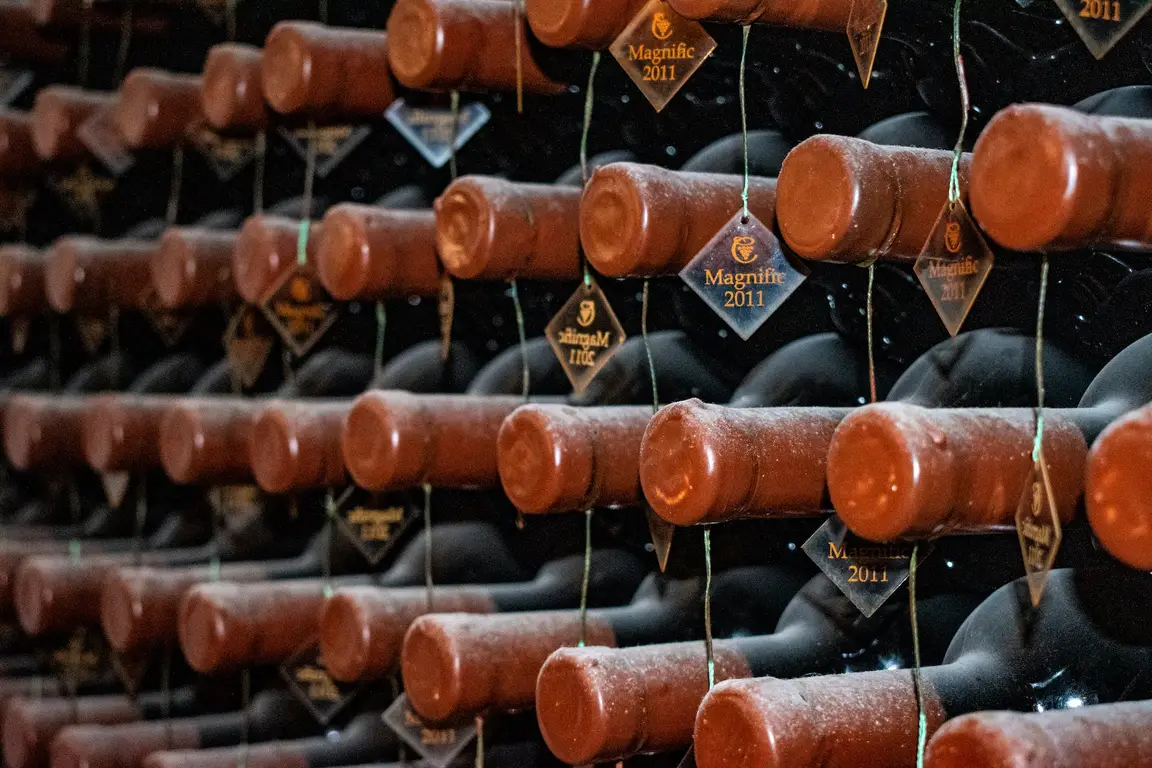
Some experts consider storing bottles on their side the ideal solution. This position prevents air from penetrating through the cork and maintains a constant level of moisture within the bottle, helping to preserve the wine.
- Pro — Maintains constant humidity around the cork and prevents oxidation.
- Con — May cause humidity issues in the event of accidental leaks in the cellar or wine cabinet.
Storage temperature
Storage temperature is another crucial factor in preserving wine quality over time. Keeping the wine at a constant, appropriate temperature helps avoid excessive fluctuations that could damage it.
Light and humidity
Light and humidity can have a significant impact on wine storage. Direct sunlight can damage wine by causing premature oxidation, while excessive humidity could damage labels or encourage mould growth.
Horizontal or vertical storage
Wine bottles can be stored either horizontally or vertically. The choice depends on the type of closure used.
Horizontal storage
- Pro — Prevents the cork from drying out and reduces the risk of contamination.
- Con — Requires adequate horizontal space for storing bottles.
Vertical storage
- Pro — Optimises storage space.
- Con — May cause the cork to dry out, especially in wines sealed with natural cork.
Storage duration
How long you intend to store the wine is a crucial consideration. Not all wines are meant to age, and some varieties are designed to be enjoyed young and fresh.
Short-term storage
- Pro — Allows you to enjoy the wine at the height of its fresh, youthful characteristics.
- Con — Some wines may not develop or improve significantly over time.
Long-term storage
- Pro — Allows you to experience the evolution and complexity of aged wines.
- Con — Requires careful bottle selection and proper storage conditions.
Wine storage FAQ
What is the best temperature to store wine at home?
Around 13°C is the figure usually given for long-term storage. For short to mid-term storage, Which?, the UK consumer organisation, considers anything between 7°C and 18°C acceptable, and warns of problems if the spot is at risk of rising above 20°C. Steadiness matters as much as the number: avoid places near radiators or in the kitchen, and look for a dark cupboard instead.
What humidity does wine need?
Specialists recommend 50–80% humidity, with 70% seen as the sweet spot. Too little dries out the cork, while damp conditions can encourage mould and spoil labels. Most homes already fall within that range, so there is no need to obsess over it.
Should wine be stored upright or on its side?
For bottles with a natural cork, on their side, especially for long-term storage: it keeps the cork moist so it does not dry out and let air in. Upright is fine for a few weeks, and screw caps and synthetic corks need no special positioning.
Can I store wine in the fridge?
For a few days or weeks, yes. Not for the long term: a fridge sits at 0–5°C, which is too cold for wine, and its dry air can compromise the cork after a few months. Food odours and compressor vibration are further drawbacks. If you want a proper cool spot, see our guide to choosing a wine fridge.
How long does opened wine last?
As a rough guide, Coravin, a wine-preservation brand, puts red at 3–6 days, white and rosé at 2–4 days and sparkling at 3–12 hours. Our guide on how to reseal wine explains the options.
Does light damage wine?
Yes. Keep bottles in the dark: sunlight can change the flavour for the worse, and white wine is particularly susceptible because it is bottled in clearer glass. Coravin adds that even dark green or brown bottles are not fully UV-proof.
Conclusions
Wine storage is a delicate art, but by following a few simple rules, it is possible to preserve the quality and flavour of wine over time. The choice between upright or on-its-side storage, temperature, light and humidity management, horizontal or vertical positioning, and storage duration will all depend on the type of wine and personal preferences. Experimenting and learning which solutions work best for your bottles can enrich the wine experience and ensure many pleasurable moments of tasting.
Sources
Topics
- wine storage
- conservation